Since the start of Russia’s full-scale invasion, Kharkiv has been under near-constant attack. For much of the city’s small business community, survival has become uncertain at best.
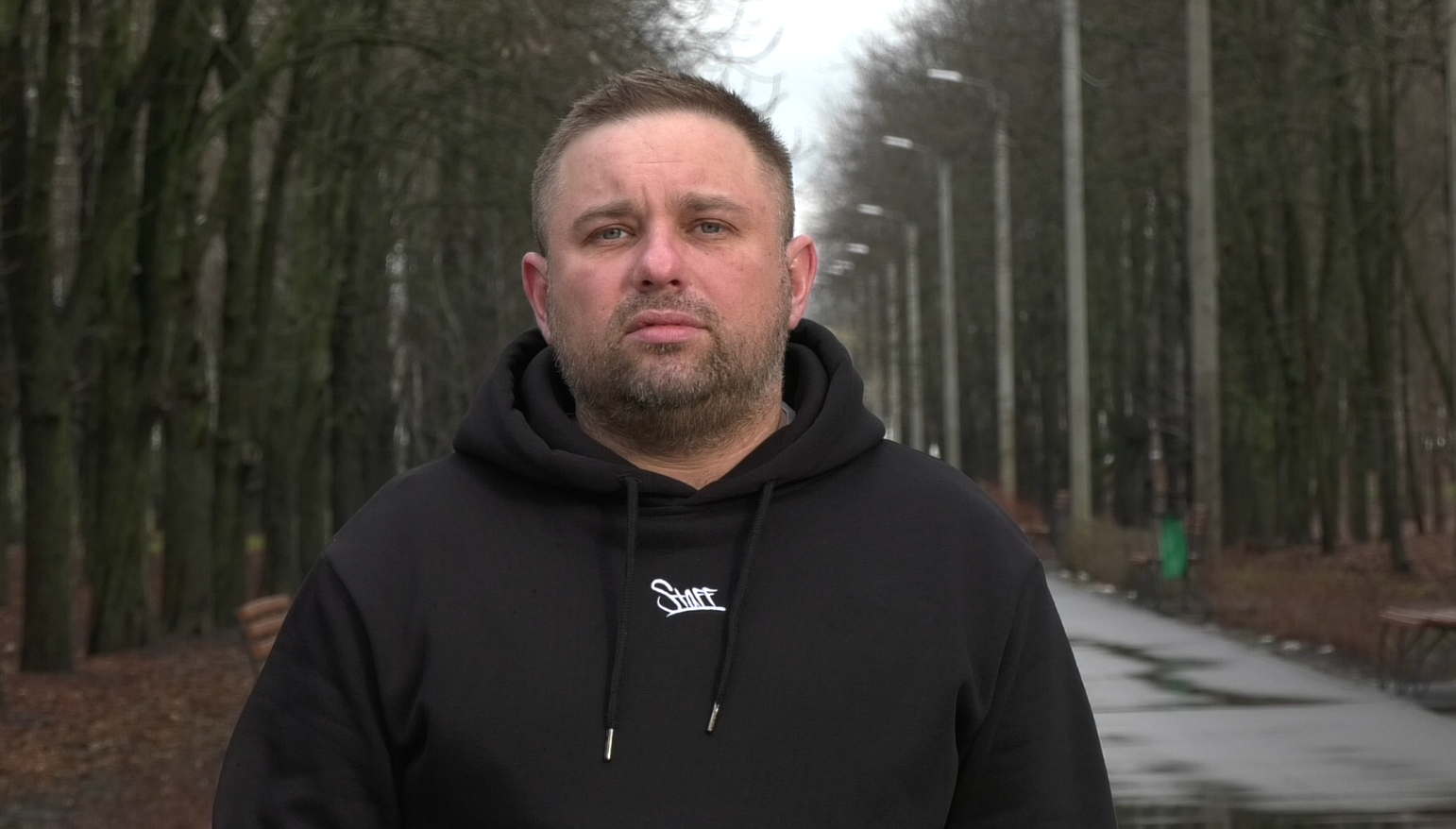
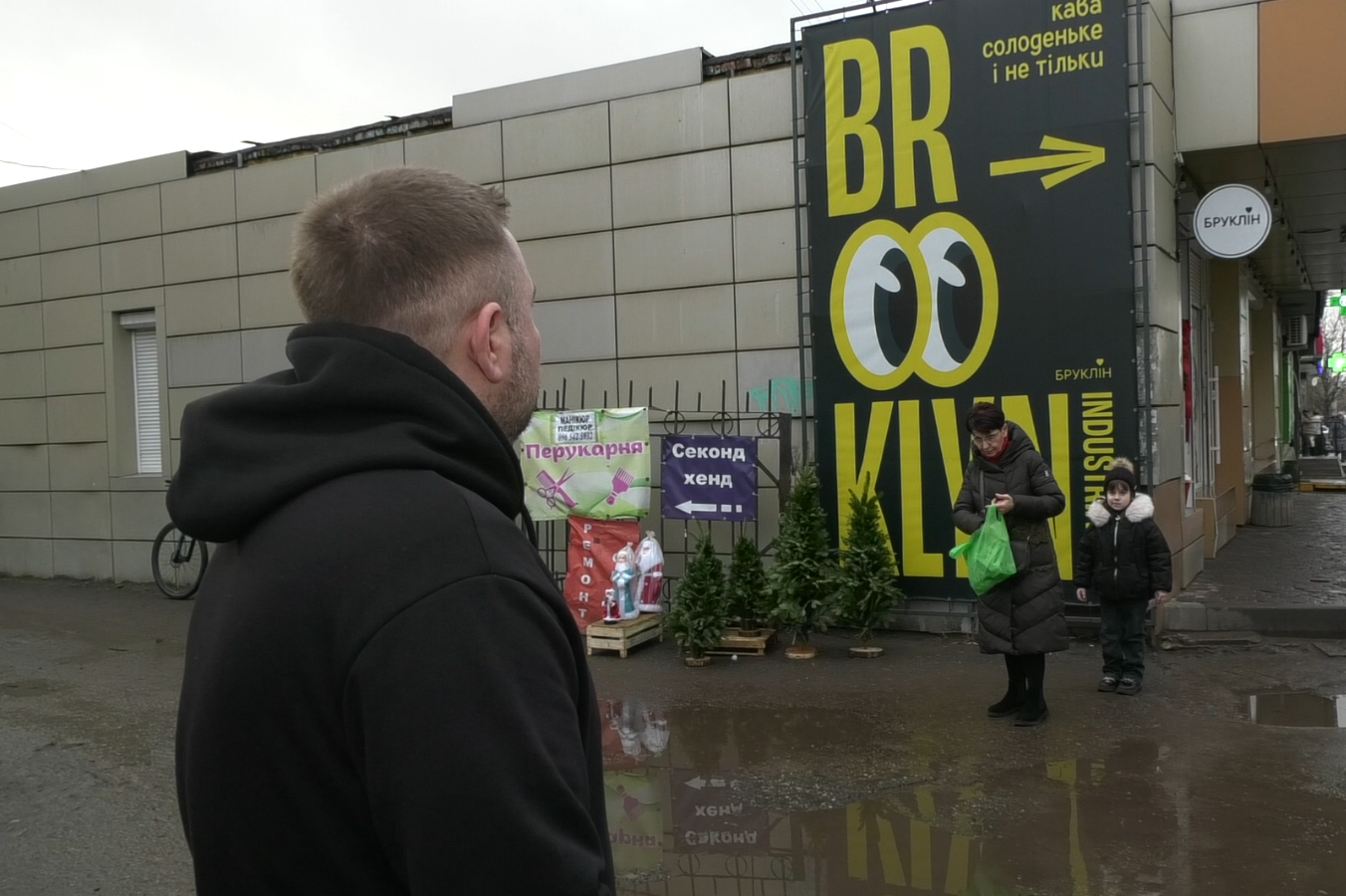
Yet in one of its industrial districts – an area locals half-jokingly call “Brooklyn” – entrepreneur Dmytro Gokov chose not only to return, but to start from scratch.
Against a backdrop of shelling, seasonal downturns and economic instability, he opened a coffee shop in a neighbourhood where even basic services were scarce. Financial support through the EU4Business initiative later helped him stabilise the business and begin planning for growth in a frontline city.
A business born out of everyday need
Dmytro grew up in this part of Kharkiv. His first experience in business came early: at 16, he was already selling clothes at a local market stall.
Over time, he began thinking about building something more substantial. Then the war interrupted those plans.
When the invasion began, the area came under fire, and he evacuated his family from the city. But upon returning, he made a decision not to put life on hold.
He started with coffee.
What struck him most after coming back was something simple: there was nowhere nearby to get a decent cup.
“There were bars, hookah lounges, markets – but no proper coffee,” he recalls. “The nearest place was a 20-minute drive or half an hour by public transport.”
What began as a personal frustration quickly turned into a business idea. With no prior experience in the coffee industry, Dmytro started from scratch – observing other cafés, analysing demand and speaking directly with local residents.
“I asked people what kind of coffee they wanted to see here. I wanted to create something the neighbourhood actually needed.”
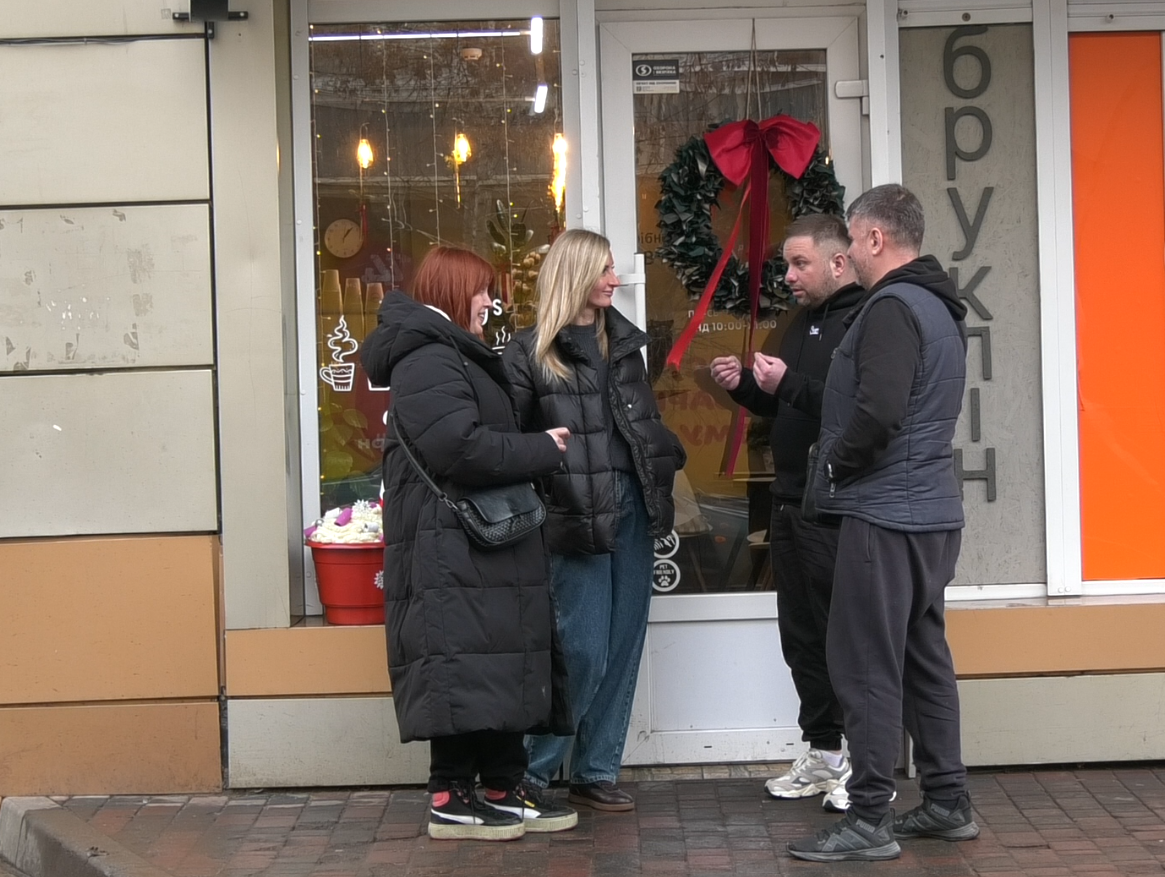
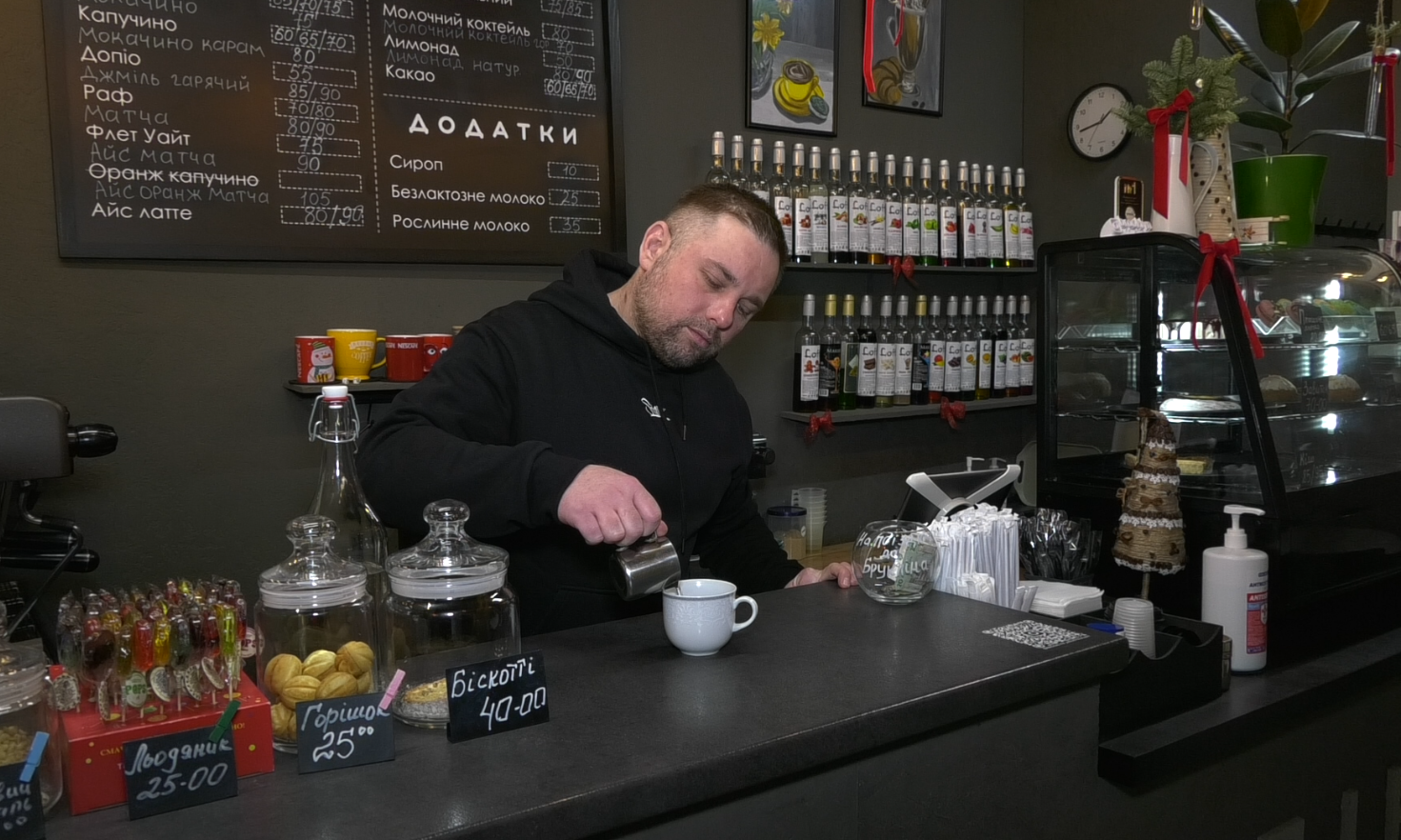
In 2023, he opened a café with an American-inspired feel in his own “Brooklyn”.
Surviving the slow season
The first months confirmed there was demand. But as temperatures dropped, so did customer numbers. Cash flow tightened – a familiar but critical challenge for small businesses.
To stay afloat, Dmytro turned to a financing programme offered by PrivatBank for entrepreneurs operating in frontline regions. The programme is implemented with the support of the European Union under EU4Business, in partnership with Bank Gospodarstwa Krajowego.
With access to funding, he was able to purchase supplies in advance and ease financial pressure during the slower months.
“It gave me the ability to stock up ahead of time and not worry about the next few months,” he says. “I knew I could get through this period without unnecessary stress.”
In effect, the financing created a financial cushion for six to eight months – a rare form of stability in an otherwise unpredictable environment.
Planning for energy independence
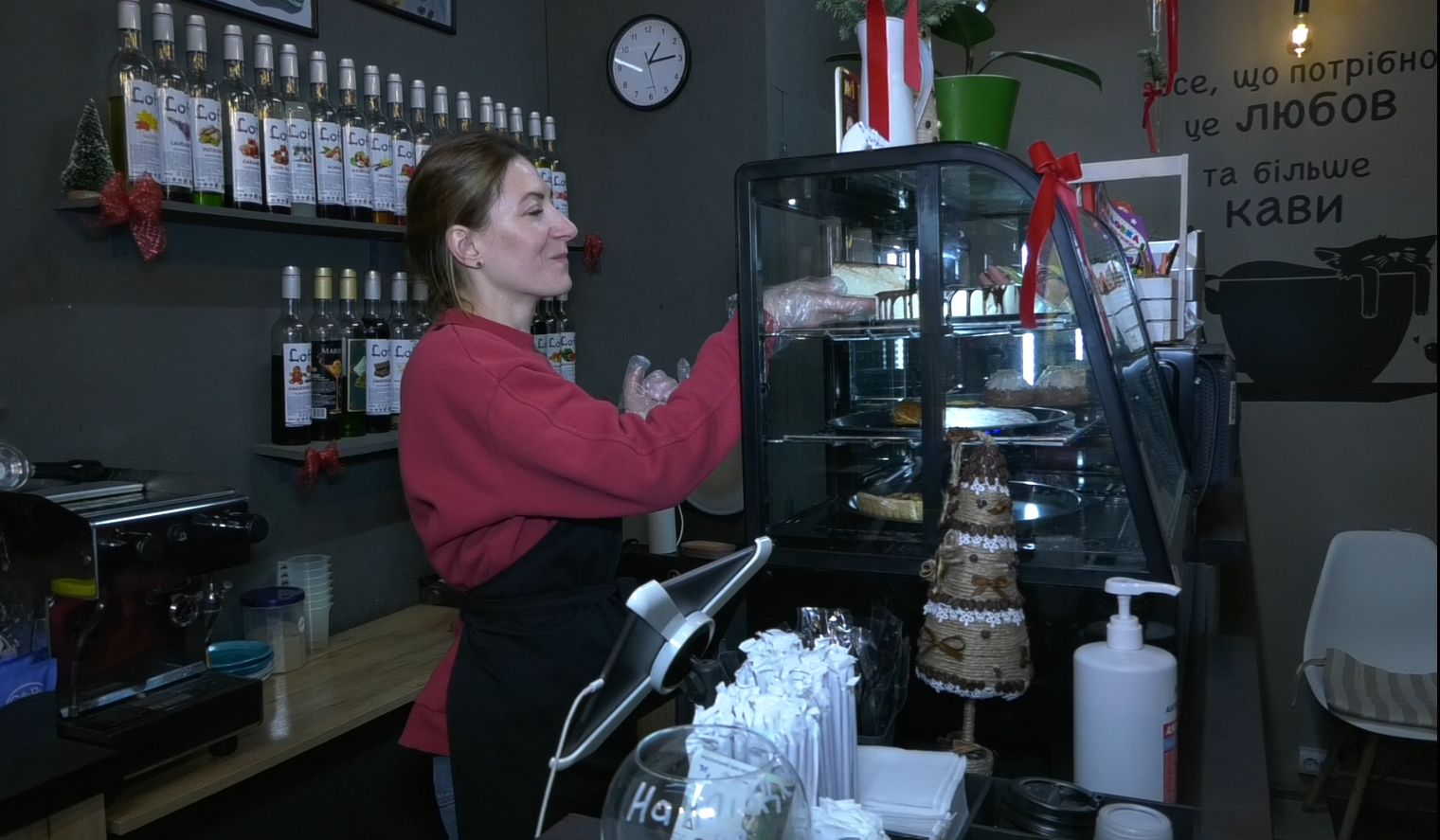
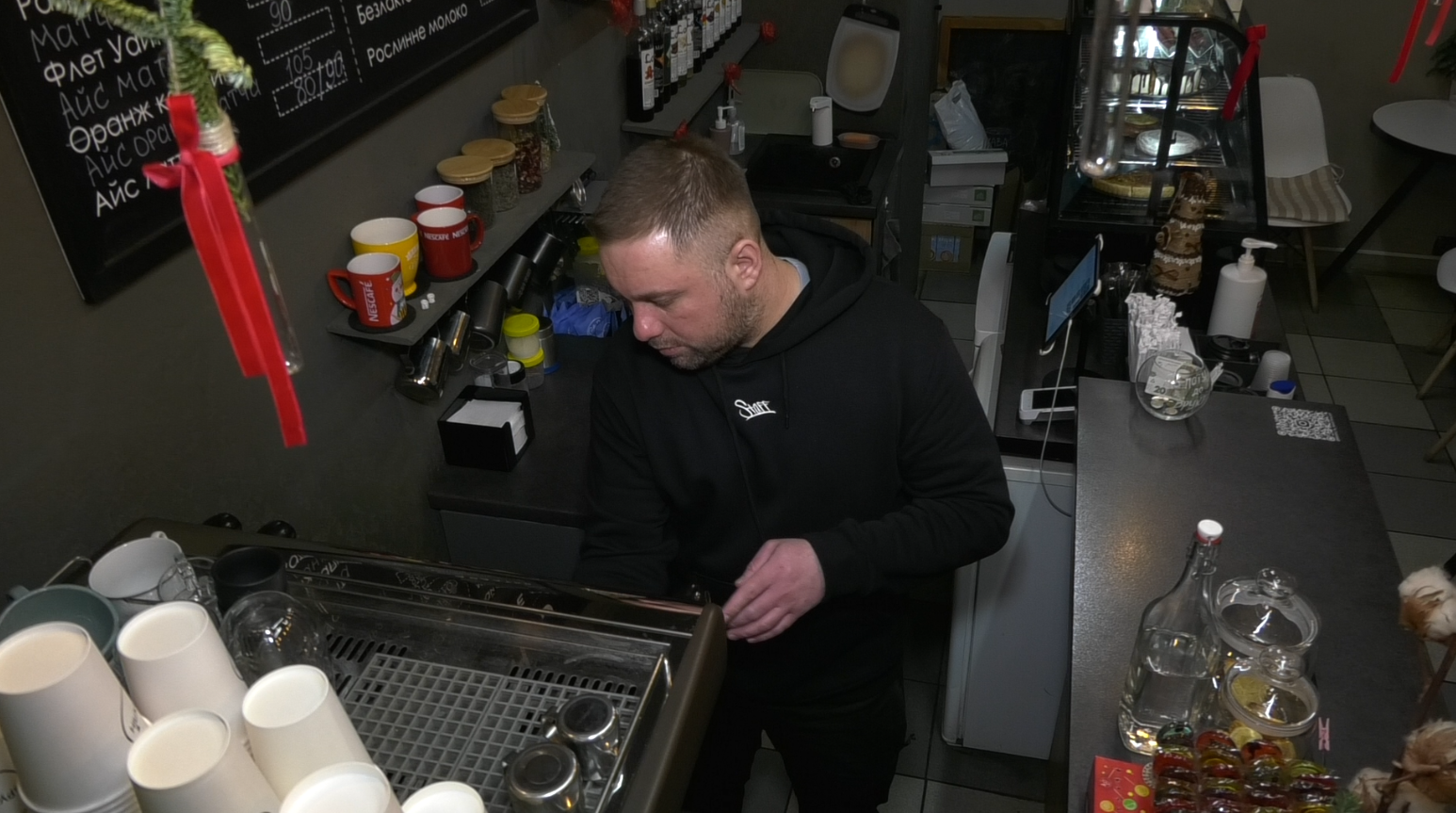
These days, Dmytro’s routine begins early – checking equipment before allowing himself his first cup of coffee.
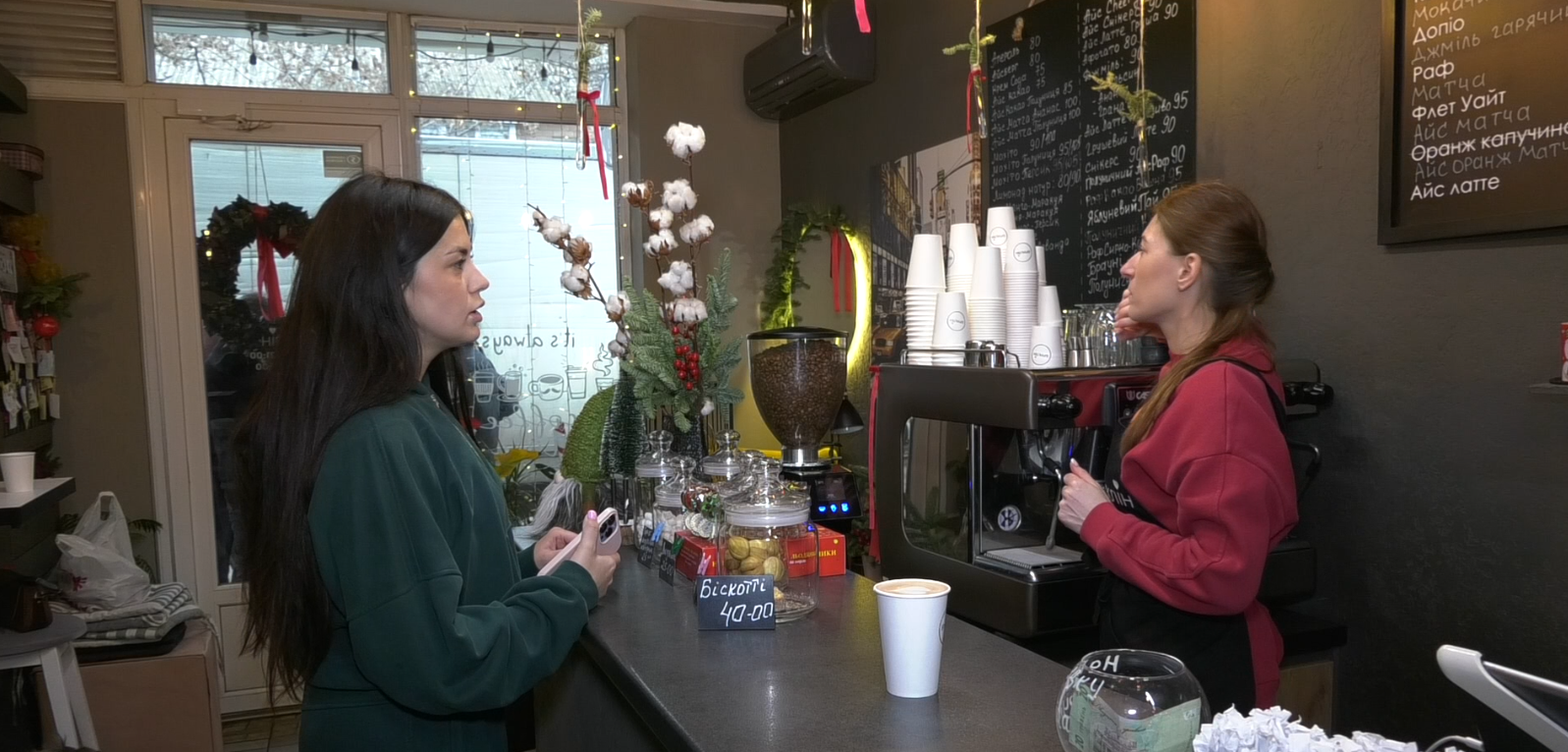
He remains closely involved in every aspect of the business, from procurement to customer service, allowing him to respond quickly to changing conditions and maintain quality.
His next priority is reducing dependence on the power grid.
He plans to install solar panels, batteries and inverters to cut reliance on generators and ensure more stable operations.
“I want us to be able to work even when there is no electricity,” he says. “And I plan to apply for EU support again to make that happen.”
A business that keeps going
Dmytro’s story reflects a broader pattern among small businesses in wartime Ukraine: adapting quickly, finding practical solutions and continuing to operate despite constant uncertainty.
For many entrepreneurs, financial support backed by European partners has become more than just access to capital. It is a tool for stability – helping businesses manage risk, navigate difficult periods and plan ahead.
In frontline cities, this kind of support carries particular weight. It allows businesses to stay open, people to remain employed and communities to retain essential services.
“I simply don’t want to postpone my life,” Dmytro says.
Today, his café is more than a place to buy coffee. It is a quiet statement of resilience – and a reminder that even in the most difficult circumstances, the future is still being built, one decision at a time.